
Religion
Islamic Scholars Speak At SB’s Colloquium, Highlight Solutions To Marriage Challenges

By Abdulfattah Robiu
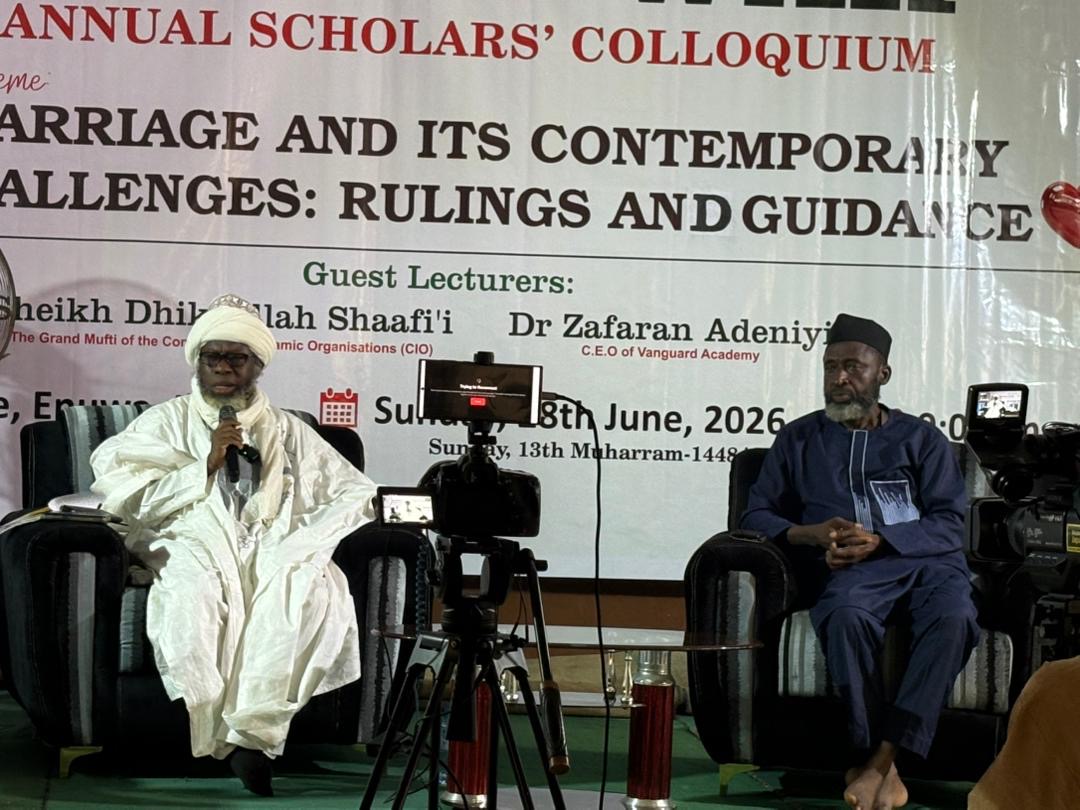
The Grand Mufti of the Conference of Islamic Organizations (CIO), Sheikh Dhikrullah Shaafi’i, and renowned Islamic scholar and marriage counsellor, Dr. Zafaran Adeniyi, have urged Muslim couples to uphold the principles of Islam by embracing mutual respect, financial transparency, justice and adherence to the Qur’an and Sunnah as enduring solutions to the contemporary challenges confronting marriages and family life.
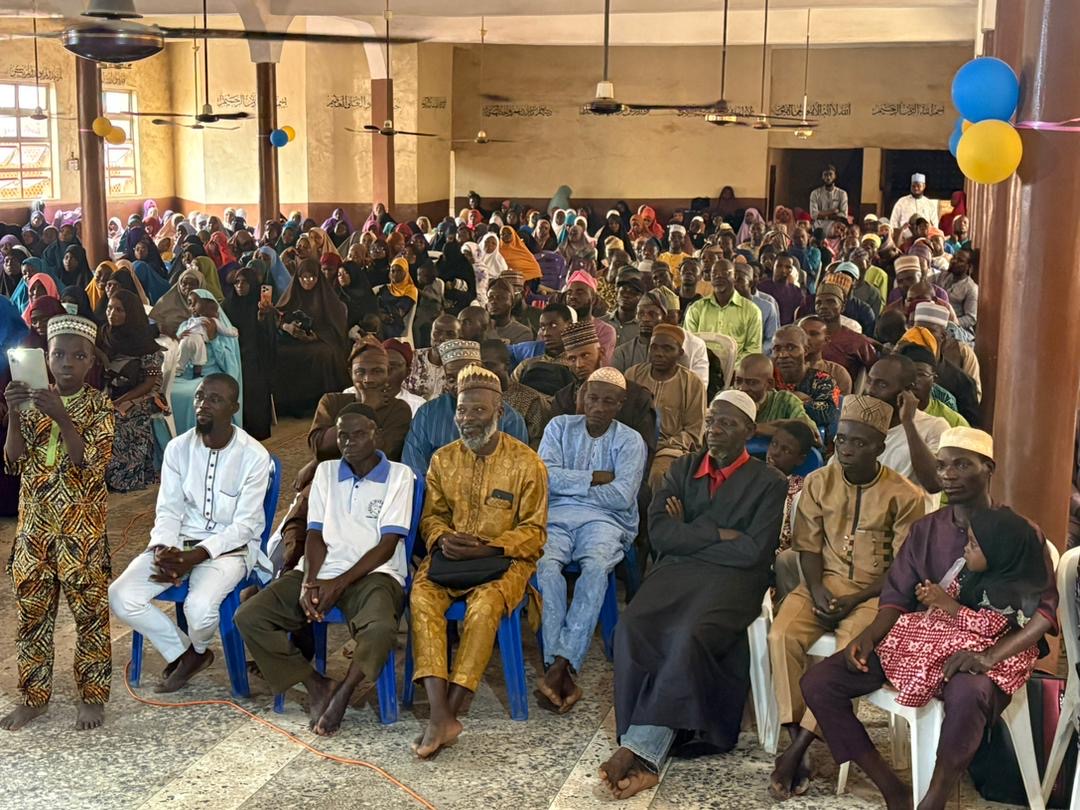
The scholars made the call during the 4th An-Nadwah Annual Scholars’ Colloquium organised by the Standard Bearers Islamic Organization (SBIO), Ile-Ife Branch, held on Sunday at the Ife Central Mosque, Enuwa, Ile-Ife.
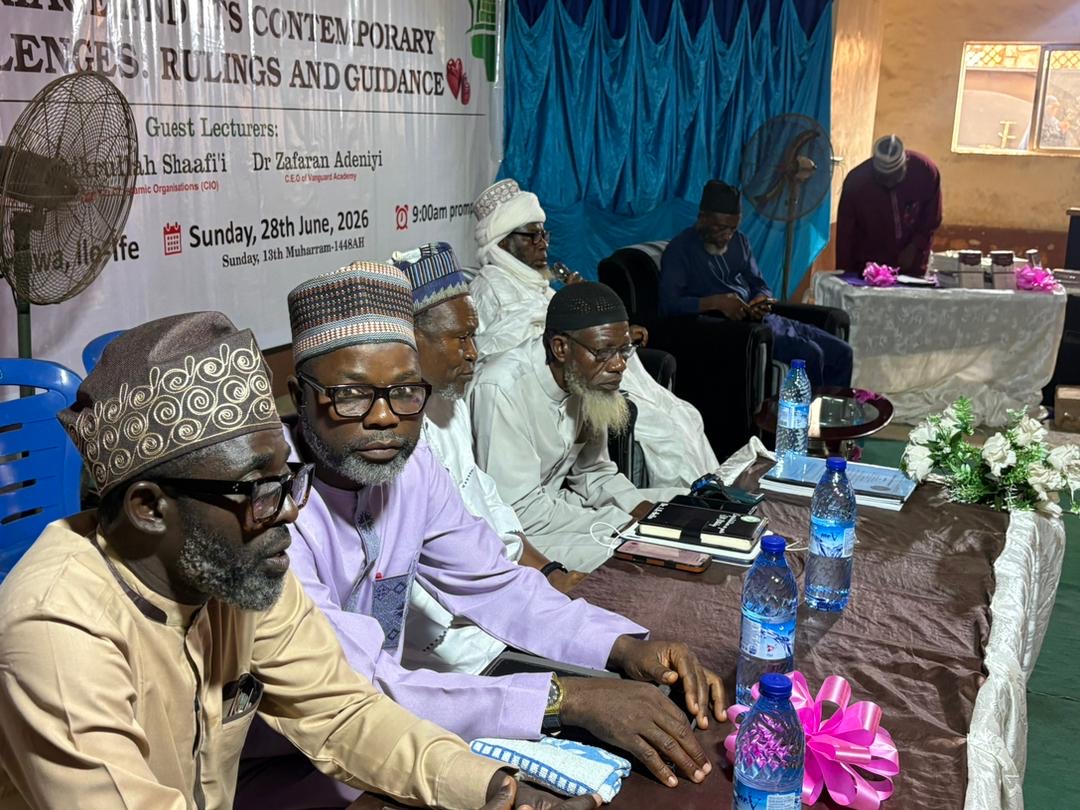
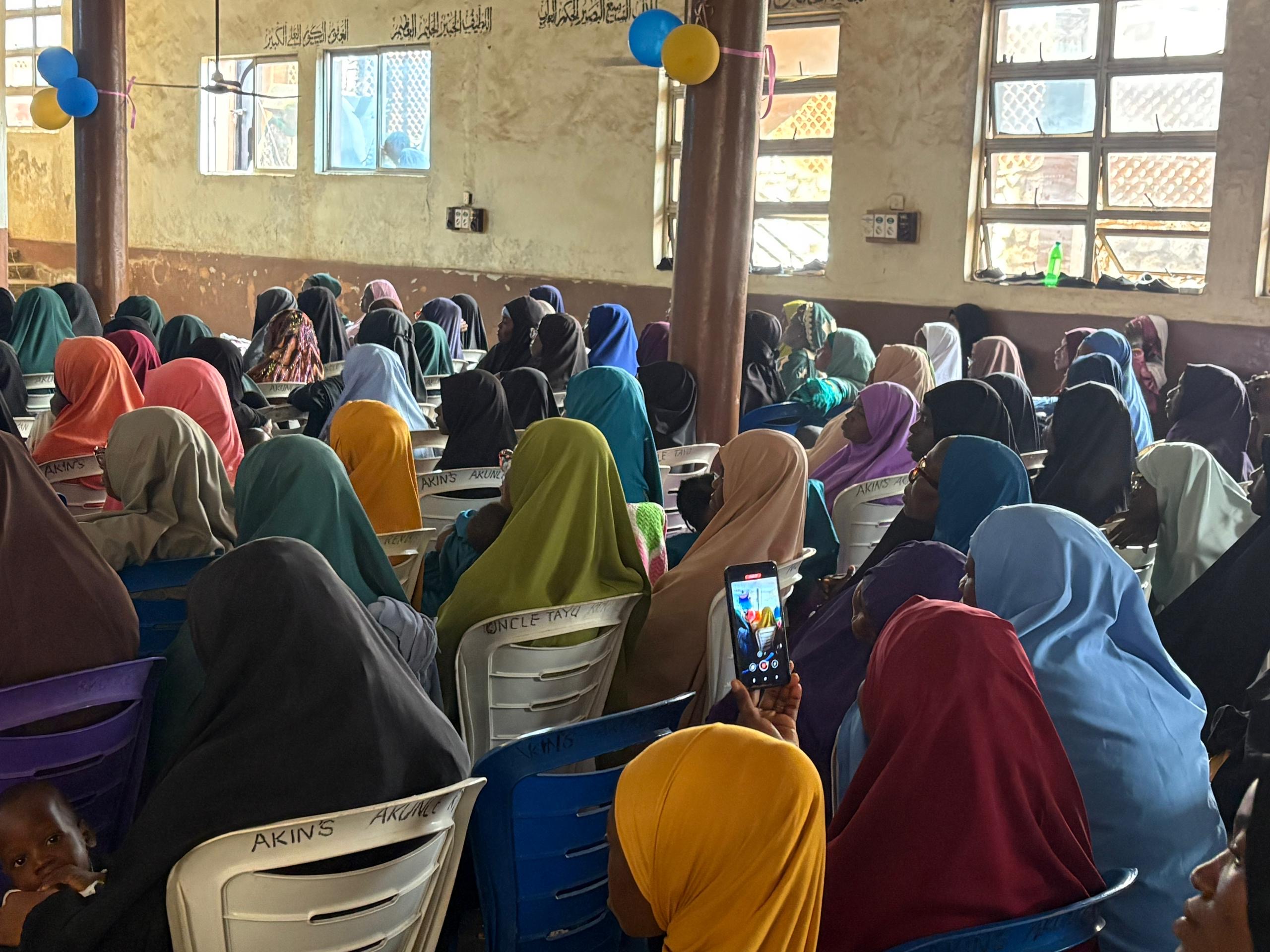
The colloquium, themed “Marriage and Its Contemporary Challenges: Rulings and Guidance,” brought together Islamic scholars, professionals, students and members of the Muslim community for an interactive panel discussion where participants sought Islamic perspectives on a wide range of marital and family-related issues.
Speaking during the session, Sheikh Dhikrullah Shaafi’i maintained that Islam remains a complete way of life with comprehensive guidance for every marital challenge, stressing that many crises in homes today arise when people substitute divine guidance with cultural practices, personal emotions and societal trends.
On the increasing rate of migration among married couples, the Grand Mufti cautioned Muslims against relocating to societies whose legal and moral systems could endanger their faith and family values.
While acknowledging that migration may become necessary for reasons such as education or medical treatment, he maintained that preserving one’s religion should always take precedence over economic pursuits, warning that environments hostile to Islamic values often expose Muslim families to moral and parental challenges capable of weakening the institution of marriage.
He also condemned the widespread belief in some communities that persistent marital misfortunes are caused by the “bad luck” of a wife, describing such notions as remnants of ignorance that have no place in Islam. Instead, he urged spouses to cultivate love, mercy, patience and appreciation for one another, reminding husbands to treat their wives with kindness and gentleness in accordance with the teachings of the Prophet Muhammad (SAW).
He further advised that family disputes should be resolved through dialogue, wisdom and sincere consultation rather than hostility or violence.
Addressing concerns surrounding polygamy and marital disputes, Sheikh Shaafi’i explained that while Islam permits polygamy under clearly defined conditions, it places a greater responsibility on the husband to maintain justice and fairness.
He urged men to handle such situations with maturity and wisdom, adding that respected family members or trusted mediators should be involved whenever misunderstandings threaten the peace of the home.
He equally outlined Islamic principles guiding divorce and child custody, emphasising that separation, where unavoidable, must be conducted with dignity, justice and full compliance with Islamic rulings.
Contributing, Dr. Zafaran Adeniyi urged Muslims to view marriage beyond emotional attachment, describing it as a sacred institution governed by divine principles.
Drawing from his years of experience in marriage counselling, he observed that many marital challenges stem from neglecting Islamic guidance in financial dealings, decision-making and family responsibilities.
On migration, Dr. Adeniyi warned against pursuing relocation abroad solely for economic reasons without considering its consequences on faith and family stability. According to him, many desperate attempts to leave the country have resulted in exploitation, including cases of human trafficking, while separation between spouses often creates emotional and spiritual difficulties capable of destabilising marriages.
He therefore advised Muslims to ensure that any decision to relocate strengthens rather than weakens their relationship with Allah and their family life.
Speaking on financial management within marriage, Dr. Adeniyi clarified that although joint bank accounts may be utilised for specific shared projects, they should not automatically replace individual financial responsibilities because of the legal and Islamic implications surrounding inheritance and family obligations.
He stressed the need for openness, accountability and financial transparency between spouses, adding that every financial arrangement should align with Islamic principles and avoid future disputes.
The marriage counsellor also addressed other contemporary issues, including the payment of Mahr, DNA testing, family leadership and moral discipline. He maintained that Islam does not permit the deliberate neglect of a wife’s Mahr, warning that violating such obligations carries serious spiritual consequences. On DNA testing, he explained that while modern technology has its place, Islamic law does not rely on DNA evidence alone to invalidate paternity without other legally recognised proofs.
He further stressed that although the husband bears the responsibility of leadership within the family, Islamic leadership is founded on consultation, justice and compassion rather than authoritarianism.

-
 Breaking News4 years ago
BREAKING: CBN Redesigns Naira Notes
-
 Breaking News3 years ago
BREAKING: Tinubu Considers Temporary Subsidy On Petrol
-

 Breaking News2 years ago
JUST IN: Gbajabiamila Dies In UK
-
 News4 years ago
Drama As Church Gives Certificate Of Virginity To Ladies After Testing Them (See Photos)
-
 Crime4 years ago
Uproar As Student Teacher On Teaching Practice Impregnates 24 Girls, Headmistress, Four Female Teachers
-

 Breaking News1 year ago
JUST IN : Sacked Osun LG Chairman Killed Few Minutes After Returning To Office
-

 Breaking News3 years ago
BREAKING: Dangote Speaks As BUA Reduces Price Of Cement
-
 Crime4 years ago
JUST IN: Gunmen Storm Osogbo, Kill Man, Daughter Few Hours After His Wife Put To Bed (Photos)