
Economy
NNPC Releases New Petrol Price List For Lagos, Abuja, Other States


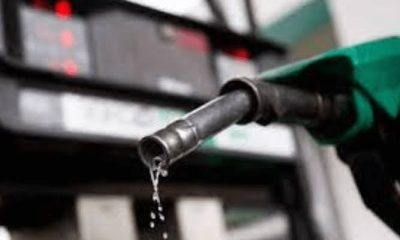
After a long delay, the Nigerian National Petroleum Company Limited (NNPC) has increased the pump price of petrol to N925 per litre at its retail stations in Lagos and N950 in Abuja.
The new prices became effective April 2, 2025, representing an increase of N65 from N860 per litre in Lagos and an increase of N70 above the previous N880 per litre in the North.
MRS and other independent petrol dealers had already hiked their petrol prices to N930 per litre in Lagos and N960 in the North.
Energy policy analysts have explained that the increase was connected to the Dangote Refinery’s halt in selling petrol in naira to marketers.
However, others believe that the new fuel price in Nigeria was due to the rising cost of crude oil in the international market.
A previous report disclosed that the price of crude rose to $73.73 last week amid President Donald Trump’s call for the Organisation of Petroleum Exporting Countries (OPEC) to raise prices and cut production.
Adeola Yusuf, Team Lead at Platforms Africa, said the increase in petroleum product prices was not just due to Dangote Refinery’s change in dynamics but a global phenomenon.
“Crude prices are rising due to several factors such as the tensions in the Middle East, the US call for more sanctions on Iran, sanctions against Russia and other variables,” he explained.
“Petroleum product prices are highly susceptible to crude price fluctuations in the international market. However, Nigerians would have been spared a little if the naira-for-crude deal between the NNPC and domestic refineries had continued.”
While speaking exclusively with Legit.ng, Wale Ogundeji, an energy analyst, agreed with Yusuf. He insisted that even though the price rise might increase government revenue, the impact would result in higher petrol prices for citizens.
“The rise in global crude oil prices has significantly impacted the price of petrol in Nigeria, exacerbating economic hardship for citizens. Since Nigeria imports refined petroleum due to inadequate local refining capacity, higher crude oil prices translate to increased landing costs for petrol.
“Businesses and households relying on petrol for transportation and power generation face soaring expenses, contributing to inflation and reduced purchasing power. While higher crude prices boost government revenue, the benefits are not immediately felt by Nigerians, who struggle with the rising cost of living.”
He stated that urgent investment into local refining would be crucial to mitigate the effects of global oil price fluctuations on the average consumer.








-
 Breaking News4 years ago
BREAKING: CBN Redesigns Naira Notes
-
 Breaking News3 years ago
BREAKING: Tinubu Considers Temporary Subsidy On Petrol
-

 Breaking News2 years ago
JUST IN: Gbajabiamila Dies In UK
-
 News4 years ago
Drama As Church Gives Certificate Of Virginity To Ladies After Testing Them (See Photos)
-
 Crime4 years ago
Uproar As Student Teacher On Teaching Practice Impregnates 24 Girls, Headmistress, Four Female Teachers
-

 Breaking News1 year ago
JUST IN : Sacked Osun LG Chairman Killed Few Minutes After Returning To Office
-

 Breaking News3 years ago
BREAKING: Dangote Speaks As BUA Reduces Price Of Cement
-
 Crime4 years ago
JUST IN: Gunmen Storm Osogbo, Kill Man, Daughter Few Hours After His Wife Put To Bed (Photos)